
TOPOGRAPHY OF LEADERSHIP: The Hidden Landscape Beyond Roadmaps

by Leslie Rohonczy, Executive Coach, IMC, PCC | ©2024 | www.leslierohonczy.com

Navigating the vast landscape of leadership requires more than just a roadmap. Don’t get me wrong: roadmaps are essential to leadership – showing us the layout of well-traveled highways (eg: established strategic goals, clear objectives, and robust processes to deliver on them), residential streets (eg: organizational structure, employee and team development, team culture, and the systems that support them), and points of interest along the way (eg: refocusing the team to respond to external market forces, inspiring employees to experiment with product innovation, forming a new strategic partnership, and crisis management). Yay for roadmaps! But they don’t give us a fulsome picture of the entire leadership landscape.

To lead well, we must understand the topography of leadership and its nuances, beyond the familiar super-highways and existing structures. It’s time to hop off the beaten path and explore what else is out there.

Throughout your leadership journey, you’ll be required to navigate some diverse terrain: strategic visioning; tactical planning; risk mitigation; business and technology transformations; crisis management; collaborative innovation; hiring, development, and retention of employees; and growing an inclusive culture of accountability, to name a few.

Using the leadership topography metaphor, let’s explore the landscape of essential skills and insights leaders need for success in each locale.


SCALING STRATEGY MOUNTAIN: Gaining the Panoramic View

It may seem like a daunting journey, but strategic leadership lies at the summit of Strategy Mountain. Here, leaders gain a panoramic view of the landscape, and from this vantage point, can see a vast horizon, set a clear vision, and chart the course for a sustainable future. They anticipate challenges, make bold decisions, and collaborate with key stakeholders and employees to understand their purpose and how they deliver on that purpose to customers.

Strategic leaders know this journey is critical to the success and sustainability of their businesses. They make time for it in busy calendars, gather necessary resources and information, and determine the route of ascent. They pay attention to the timing of the climb and know how often to revisit it, and who to invite on the journey.

To successfully scale Strategy Mountain:

  1. Craft a compelling vision for the company that you want to be in 10-20 years. This vision should inspire and motivate employees and leaders, satisfy the board and shareholders, and delight customers. When it’s used well (and not just trotted out once a year as a tick box activity), this aspirational, future state vision will be the north star from which to ‘reverse-engineer’ all tactical plans.

  2. Align resources effectively to support the strategic goals and pause or close projects that don’t align with your strategy. Non-aligned projects (often pet projects or outdated initiatives that don’t directly support the strategic objectives) can steal valuable resources and attention from what’s strategically most important.

  3. Encourage bold decision-making while mitigating risks. This is the time to be bold, and bravely challenge your organization to stretch in new ways, beyond what is currently possible. And just like preparing to climb a mountain, the boldness of this strategy adventure requires attention to the associated risks and how they can be tempered with thorough risk assessment and safety mitigants.

  4. Cultivate collaboration with key stakeholders and team members in the strategic planning process. Their perspectives are valuable inputs to developing your strategy, and this collaborative approach fosters buy-in and alignment. Strategy done in a vacuum of senior leaders, without the benefit of front-line employees’ perspective, the customer’s perspective, or the competitors’ perspective, is like throwing darts in the dark.

  5. Regularly revisit and adapt the strategic plan as needed. (And it’s likely needed more often than once a year!) Instead, use it as a business alignment lens, to ensure that tactics, branding, project management, program design, resourcing, and every other part of your business is traveling in the right direction, at the right speed, with the right resources.


STEPPING INTO TACTICAL VALLEY: Where the Rubber Meets the Road

Tactical leadership is about aligning and equipping resources to deliver on strategic objectives. Typically, it’s middle managers who spend the most time and attention in Tactical Valley. It’s about empowering employees with decision-making power as a learning opportunity (and having their backs on their decisions, even when you would have chosen differently); and supporting your team when the going gets tough. It requires resilience to endure setbacks; and empathy to support employees; it also requires leadership agility to maneuver through this rough, low-lying terrain without becoming stuck in the mud of execution.

When a more senior level of leadership is called to step in, it’s usually because a significant challenge has arisen, a strategic shift is needed, or the team must rally in the face of adversity. Sometimes, senior leaders notice their teams struggling, and want to help them navigate obstacles and challenges at the ground level, so they instinctively hop into the trenches where the work is being done. Sometimes this works, but more often, it creates challenges (eg: the perception of micromanaging, and the seeming lack of trust you have in their ability to figure it out as a team). It’s important to team health and employee engagement to have empowered employees and leaders who feel ownership of their work and skills development.

When entering Tactical Valley:

  1. Know when to empower and support others and when to step in (and it may be less often than you think). Particularly for senior leaders, balance hands-on involvement with delegation of decisions and oversight. This will empower your team members, create leadership and employee development opportunities, and demonstrate your trust in the team to deliver.

  2. Provide empathetic support and guidance to team members, to help them feel safe to express their concerns and speak truth to power; to experiment with innovation and learn; to challenge the status quo with new thinking; and to freely contribute authentic perspectives without fear of judgment.

  3. Monitor the execution of tactical plans, to ensure all tactics being worked on are on the strategic path and that no unaligned projects are diverting essential resources.

  4. Lead by example to foster a culture of accountability and execution excellence. And when you end up with ‘unintended results’ (a nicer way to say ‘failed projects’), avoid blame. Instead, demonstrate your curiosity about what valuable lessons can be applied next time. Modeling resilience in the face of setbacks can help employees build their resilience muscles, too.


NAVIGATING ADAPTIVE RIVER: Riding the Currents of Change

Sometimes it may feel like the Adaptive River of Change is threatening to flood its banks (and often, it does!) As you navigate the high water of change, adaptive leadership helps you steer your team through turbulent, ever-shifting currents, embracing change and innovation along the way. By remaining flexible, you can adjust the course as needed, and build the resilience your team needs to weather storms.

This also requires you to build and leverage your leadership super-power: emotional intelligence (EQ).  Adaptive leadership is about riding the currents of change, staying agile while the ground shifts underfoot, navigating the complex interpersonal dynamics that come with change, and inspiring others to embrace innovation, even (or especially) amidst the strong undertow of uncertainty.

When navigating the Adaptive River of Change:

  1. Develop and leverage your emotional intelligence to help you and your organization navigate the interpersonal dynamics that come with large-scale change. Go beyond the all-to-common corporate value of ‘our people are our biggest asset’, and get to know how those people are wired, what their concerns are, what inspires them, and how you might reframe aspects of the change to help them feel seen and heard as the change moves forward.

  2. Transparently and authentically communicate both the ‘current state’ you’re moving away from and why, and the aspirational ‘future state’ you’re moving towards and why, to foster understanding, trust, and alignment. Leverage town hall meetings, team and project discussions, employee one-on-ones, collaboration platforms, leader videos, etc. to ensure a shared understanding.

  3. Challenge the instinct to protect the ‘current state’ and invite innovation and creativity amidst the uncertainty. Great innovations and ideas often emerge from these swirling waters of change, so

  4. Remain agile and flexible in how you respond to changing circumstances. Employees take cues from their leaders and will watch how you navigate change and follow your lead. Model a healthy, balanced, and productive approach to change for them.

  5. Build resilience within the team to weather turbulent times by investing in key support systems: change management, team development, leadership development and coaching, culture and employee experience.


BRAVING THE DESERT OF CRISIS: Leading Through Adversity

In the arid Desert of Crisis, leaders must summon their courage and resilience, to endure the harsh conditions. Crisis leadership demands a calm and anchored stance, transparent and efficient decision-making, personal and organizational resilience, attention to self-care, and clear communication systems amid the chaos.

It also requires a culture of psychological safety within your organization that encourages open communication and support during crises. Leaders who can maintain balance under pressure, rally their teams around a common purpose, and navigate treacherous and uncertain terrain know that crisis leadership is about leading from the front lines by empowering and instilling confidence in others and by guiding the organization through the sandstorm.

When braving the Desert of Crisis:

1.      Maintain a calm, clear, and connected stance to instill confidence during a crisis. Employees will follow your lead and feel more reassured by this grounded presence. Techniques like a coaching program, journaling reflection, and meditation are great ways to help you feel grounded.

2.      Prioritize and model self-care. It’ll help you sustain personal and organizational resilience, by establishing boundaries to protect things like time for rest, physical activity, and email response times. This one small move has great potential, not only for your well-being but also for setting an example of self-care for employees.

3.      Amidst the chaos, empower and rally the team around a common direction. Communicate clearly, effectively, and frequently. Make transparent and timely decisions to guide the organization, and share your thinking behind your decisions, not just the decision itself, to help the organization understand and adapt.

4.      Seek support from trusted colleagues, an executive coach, a mentor, or your professional network, in the form of advice, reassurance, and different perspectives to strengthen your resilience


ENTERING COLLABORATION FOREST: Cultivating Healthy Ecosystems

Leaders who cultivate an ecosystem of teamwork and inclusivity in the lush Collaboration Forest empower teams, foster a culture of trust and respect, and leverage the diverse perspectives of employees and peers. Collaboration is, by its very nature, a group adventure, not a solo journey, and requires a relentless nurturing of relationships, clear communication, and continuous alignment. Collaborative leadership is about fostering a sense of belonging, embracing diversity, and harnessing collective wisdom and creativity.

As you make your way through Collaboration Forest:

1.      Nurture relationships and trust among team members by creating opportunities for them to connect through team-building events, team development activities, town halls, and employee conferences. Foster a culture of transparency by creating opportunities for open dialogue and feedback exchanges within their teams, encouraging constructive input and active listening. And when you get the feedback that you asked for, do something with it.

2.      Embrace diversity of thought, backgrounds, and experience, by encouraging team members to share their ideas and opinions without fear of judgment. These fresh ideas and insights can drive innovation and problem-solving.

3.      Ensure collaboration goals are clearly defined and communicated across teams. Encourage knowledge sharing and cross-functional collaboration by creating opportunities for team members to share their expertise, research, ideas, and opinions, to cross-pollinate innovation.


USING YOUR UNIQUE TOPOGRAPHICAL MAP: Navigating with Confidence

As we’ve seen in this topographical journey, effective leadership requires a nuanced understanding of the terrain and skills required to navigate each area with confidence, clarity, and agility. As you continue on your leadership journey, engage in continuous learning, embrace change, and leverage the hell out of your curiosity.  


KEY TAKEAWAYS:

  • Identify the specific geographic area you’re in, including specific challenges and opportunities of each locale, and reflect on what leadership approaches will best suit the demands of that specific environment. Continuously assess your readiness and leadership capabilities in each specific landmark, and frequently ask: “Am I at the right place, at the right time, with the right people, to navigate this leadership terrain?”, then adjust if your answer is anything but ‘yes’.

  • Notice which areas of the Leadership Topography Map you spend most of your time in, which you long to travel to more often, and which areas you tend to avoid. Challenge yourself to explore a wider leadership terrain than is your habit or comfort zone.

  • Speaking of habits, grow your self-awareness and develop the habit of reflection. Seek feedback and mentoring to enhance your awareness, leadership skills, and capabilities. Reach out for executive coaching support when you need to develop a new muscle. Put what you learn into action, experimenting, reflecting, and adjusting as you go.


THE VULNERABILITY OF LEADERSHIP: Embracing Vulnerability & Authenticity for High-Performance Success

by Leslie Rohonczy, Executive Coach, IMC, PCC | ©2024 | www.leslierohonczy.com

In the realm of leadership, vulnerability is often perceived as a liability, a chink in the proverbial armor of strength and authority. We see this represented in media, movies, and television shows, like the inept and self-aggrandizing Michael Scott from ‘The Office’, whose misguided attempts at leadership and constant need for validation provide a stark contrast to the notion of vulnerability. His fear of being seen as incompetent leads him to maintain a facade of confidence, often at the expense of his team's well-being and morale.

Or the ruthless and uncompromising Frank Underwood from ‘House of Cards’’. Frank’s Machiavellian tactics and manipulative demeanor exemplify the dark side of leadership, where vulnerability is perceived as a threat to his dominance and authority.

Then there’s the exacting and brutal Miranda Priestly from ‘The Devil Wears Prada’. Her perfectionism and icy personality create a culture of fear and intimidation at ‘Runway’ magazine, stifling any semblance of vulnerability or authenticity among her subordinates.

These characters epitomize the traditional archetype of leadership, where vulnerability is viewed as a weakness to be concealed, rather than embraced. Their portrayals serve as cautionary tales, highlighting the pitfalls of prioritizing power and control over authenticity and connection.

Are these just fictional characters in some of our favourite shows? Well, yes. But also no. These caricatures of leadership are reflections of how our culture interprets and even underscores the message that vulnerability is antithetical to effective leadership, which in turn perpetuates the myth that to be a good leader, you must be invulnerable; impervious; unmoved; unflappable.

Not only is this a terrible way to lead because it ultimately undermines trust, collaboration, and engagement within organizations, but it also is a terrible way to live! Constructing an inauthentic, performative version of yourself can create physical and mental health concerns, career challenges, fractured relationships, poor results, and limited options.

But take a deeper dive into the complexities of leadership, and we see that true strength lies not in the absence of vulnerability, but in the willingness to embrace it. Yet, a growing body of research suggests that embracing vulnerability is not just courageous; it's paramount to becoming a high-performing, successful leader.

Let’s delve deeper, and explore the significance, benefits, and implications of embracing leadership vulnerability, and how it drives personal, team, and organizational success.


Rethinking Leadership: From Strength to Authenticity

When you think about strong leadership, who springs to mind? Our traditional ideas of leadership have often glorified decisiveness, assertiveness, strength, confidence, and even invulnerability. In this myopic, narrow definition, leaders are expected to project an image of unwavering confidence and infallibility, creating a facade of invincibility that leaves little room for doubt, uncertainty, or grace.

However, the landscape of leadership is evolving. In today's complex, dynamic business environment, where uncertainty and change are constants, the need for authentic leaders who aren’t afraid to show vulnerability, acknowledge their limitations, admit mistakes, and openly express their true thoughts and emotions has never been greater.

Consider the character of Captain Jean-Luc Picard from ‘Star Trek: The Next Generation.’ Despite his position of authority as the captain of the USS Enterprise, Picard is depicted as a leader who values empathy, compassion, and open communication. He is not afraid to seek advice from his crew, admit when he's wrong, or express his emotions when faced with difficult decisions. Picard's vulnerability humanizes him as a leader, earning the respect and loyalty of his team.

Or President Josiah Bartlet from "The West Wing" who is admired for his authentic leadership style. Bartlet's response to crises and moral dilemmas exemplifies empathy, compassion, and humility. He has open, transparent dialogue with his advisors, seeks diverse perspectives, and grapples with the ethical implications of his decisions. Bartlet's vulnerability as a leader resonates with audiences, inspiring them to believe in the possibility of principled and compassionate governance.

And let’s include the master of all things vulnerable, the wonderfully goofy human called Ted Lasso from the series of the same name. Ted provides another compelling example of vulnerable leadership. Despite being a fish out of water in his role as a soccer coach in England, Ted Lasso leads with unwavering optimism, kindness, and vulnerability. He openly acknowledges his lack of expertise in the sport and relies on his emotional intelligence and interpersonal skills to connect with his team and foster a supportive environment. Ted's vulnerability allows him to form genuine connections with his players and staff, ultimately leading to their success on and off the field.

These examples challenge the notion that vulnerability is a weakness in leadership and illustrate how embracing vulnerability can foster trust, collaboration, and resilience within organizations. Authentic leaders like Picard, Bartlet, and Lasso inspire others to do the same, creating a culture where authenticity is valued, and leadership is defined by empathy, integrity, and humility.


The Power of Vulnerability: Research Insights

Research in psychology and organizational behavior has shed light on the transformative power of vulnerability in leadership. Recent studies have shown that leaders who exhibit vulnerability are perceived as more authentic, relatable, and trustworthy by their followers. This authenticity fosters deeper connections and stronger relationships within teams.

A study published in the Journal of Applied Psychology (2020, Leroy et al) found that leaders who displayed vulnerability were seen as more approachable and were able to build stronger bonds with their team members.

And, embracing vulnerability has been linked to the creation of a culture of psychological safety within organizations. According to research published in the Journal of Management Development (2019, Day and Fleenor), leaders who create an environment where it's safe to take risks and share ideas foster a sense of belonging and empowerment among employees which, in turn, fuels innovation, creativity, and resilience, driving organizational performance and adaptability in the face of challenges.


Leading with Vulnerability: Strategies for Success

But embracing vulnerability doesn't mean relinquishing authority or competence; rather, it requires a shift in mindset and behaviors towards greater authenticity and humility.

Here are some strategies for integrating vulnerability into your leadership approach:

  • Lead by Example: Sharing personal stories, challenges, and failures with your team fosters empathy and trust, and creates a culture where vulnerability is celebrated rather than stigmatized.

  • Share Your Interior: Allow your employees to see your internal thought processes and emotional reactions, what lights you up, and what makes you nervous or uneasy. And when you don’t know something, just say so. These glimpses of your humanness foster empathy and help you create a culture of trust, where vulnerability is celebrated rather than stigmatized.

  • Encourage Open Communication: Create opportunities for honest and transparent dialogue within your team, and make sure you’re creating psychological safety for them to be transparent, to share feedback, and to speak truth to power. Listen actively and acknowledge your own areas for growth. This sets the tone and promotes a culture of continuous learning and improvement.

  • Embrace Failure as a Learning Opportunity: Share personal stories of your challenges and failures with your team. Instead of hiding mistakes or shortcomings, openly acknowledge them and use them as teachable mentoring moments. Cultivate a growth mindset that views failure not as a setback but as a learning opportunity.

  • Empower Others: Remind your employees (and peers and leader, for that matter) to be authentic and vulnerable in their own interactions, fostering a culture of mutual support and accountability. Using vulnerability in this way is a sign of strength. Recognize your team members when you see them being vulnerable – it’ll help others to step into their power, too.


The Lasting Impact of Embracing Leadership Vulnerability

In this tumultuous modern business world, vulnerability isn't just a buzzword, it's a strategic imperative. It's time to shatter the myth that vulnerability is a weakness; in fact, consider it one of the most important indicators of true leadership potential.

By embracing vulnerability, leaders wield a powerful tool to cultivate authenticity, trust, and resilience within their organizations, igniting a chain reaction of success.


As you continue to lead, remember this: vulnerability isn't a sign of weakness; it's a badge of emotional maturity, courage, and authenticity. It's about daring to show up, flaws and all, and inviting others to do the same. By leading with vulnerability, you set the tone for a culture where authenticity thrives, and trust propels success.

So, let's make a bold commitment to leading with vulnerability, and create a workplace where authenticity isn't just valued—it's celebrated. Let's inspire our teams to embrace their vulnerabilities, take risks, learn by trying, and realize their full potential. The path to lasting leadership impact begins with embracing our own vulnerability first and then empowering others to do the same.

It's time to lead with courage, authenticity, and boldness. Are you ready to take the leap?

FREE COACHING PRACTICE: JAR MEDITATION

 by Leslie Rohonczy, Executive Coach, IMC, PCC | ©2024 | www.leslierohonczy.com

In our fast-paced world, finding moments of stillness and clarity can seem like a luxury. Yet, these moments are essential for our mental and emotional well-being. One powerful practice that can help us cultivate a sense of inner peace and allow for new insights to drop into us, is meditation. Today, we're going to explore a technique that will help you experience meditation in a different way.

Imagine yourself standing in the middle of a huge room. It's spacious, and completely empty, except for one thing—a large glass jar. This jar represents your mind, and it holds your thoughts, represented by different colourful bubbles.

As you stand in the room, allow yourself to become aware of your thoughts. Just notice them, as you think about your day, your life, your worries, your dreams—anything that happens to float by or that typically occupies your mind.

Now, as these thoughts pop up, one by one, imagine that you are gently placing each thought bubble into the jar. Visualize each thought taking on this round shape as you do this—positive or negative, it doesn't matter. Once you've filled the jar with your thoughts, step back and observe. Notice that you're not engaging with the thoughts anymore; you're simply watching them, neutrally observing.

Now, imagine yourself slowly backing away from the jar. You move towards the door and can still see the jar with your swirling thoughts, as you step outside through the door. In this state of neutral observation, you're detached from the thoughts, just observing without judgment or analysis.

Spend a few peaceful moments (30 seconds, or 30 minutes; it’s up to you) in this calm state, then allow yourself to say thank you to the day, and return into the large room. Thank the room for holding this space for you, and send your gratitude to the jar that is holding all of your thoughts.

And if there are some thoughts that you feel would be better off remaining in the jar, leave them there. You can always come back for them another time if you really need them. But for now let them remain here. Feel the lightness in your body; in your heart; in your mind.

Remember, meditation is not about suppressing or controlling your thoughts. It's about cultivating awareness and acceptance of whatever arises in your mind. By focusing outside the jar of your thoughts, and observing them from a distance, you'll gain valuable insight into your inner world.

So, the next time you feel overwhelmed or stressed, find a quiet space, close your eyes, and visualize yourself in that vast room, with your jar of thought bubbles. Allow yourself to become aware of your thoughts, then gently place them into the jar where you can just observe them, as they are. With practice, you'll find yourself feeling more centered, grounded, and able to tap into your wisdom and find greater clarity in your life.

WOOHOO CAREER MOMENTS: Embracing the Power of Courage

 by Leslie Rohonczy, Executive Coach, IMC, PCC | ©2024 | www.leslierohonczy.com


Last week, two coaching conversations left me cheering with joy, and celebrating the courage and determination of two remarkable individuals.

As an executive coach, I have the privilege of witnessing the leadership development journeys of clients who find themselves at a crossroads, wondering how to advance their careers or navigate difficult work environments. And whether they’re looking for strategies to get promoted, or for ways to protect themselves in a toxic culture (or for help in making the difficult decision to leave), the journey towards career fulfillment demands courage.

Recently, I had the pleasure of celebrating with a coaching client who, after months of deep dives into leadership EQ and coaching, bravely addressed a gap identified by her leader. At the beginning of our coaching session, she proudly announced that she had gotten the promotion to a leadership role she’d been working so hard for! I was so excited, a resounding "WOOHOO!" flew out of my mouth!

That same afternoon, I had a very different conversation. It was a heartfelt coaching chat with a senior leader, who shared that she’d finally found the courage to leave her toxic work environment. She spoke with such brave resolve about her pivotal decision, and I was truly inspired by her. And, you guessed it, another resounding "WOOHOO!"

To be clear, I’m not a habitual “WOOHOO-er”. But I had the same reaction to these two very different situations because I was so thrilled by their courage.

Coaching clients invest in their own growth and development with the willingness to take a courageous look at their gaps, assumptions, aspirations, strengths, and shortcomings. They embrace and explore the gift of feedback. They identify and work hard for what they most want from their career. They set boundaries, and then enforce them when those boundaries are crossed. They bravely make a change when opportunity comes calling their name. And they make empowering decisions like these two examples, putting themselves well on the path to healthier, fulfilling, personal and professional growth opportunities!


Unlocking Your "WOOHOO" Moment:

There will be many triumphs, rough patches, and transformations throughout our careers, and no matter whether we’re trying to secure a long-awaited promotion, or to navigate a change in pursuit of greater fulfillment, our courage and resilience will be the cornerstones of our success.

Through personalized guidance and support, coaching programs are tailored to address individual unique needs, personalities, and aspirations. Imagine what might be possible for you if you invested in honing your essential leadership skills, growing your emotional intelligence, and mastering the art of effective communication. From cultivating resilience in the face of adversity to fostering a growth mindset that fuels innovation, coaching equips you with the tools and mindset to overcome obstacles and seize opportunities. By investing in executive coaching, you are investing in your future success, unlocking new possibilities for advancement, fulfillment, and leadership excellence.

If you’re navigating a career decision, or coaching someone who is, here are 5 aspects of the career journey with questions to help you reflect on your own courageous career aspirations (hot tip for leaders: you can use these questions to coach your employees during career development discussions):

1.      DEFINE CAREER SUCCESS

  • What is your definition of ‘career success’? How does this definition support you? And how might it limit you?

  • Imagine your ideal work environment where you feel most fulfilled and energized. What values and culture would it embody, and how does this differ from your current situation?

  • Reflect on the values, priorities, and culture dynamics in your current workplace. How do they align with your personal values, priorities, and working style preferences?

2.      ADDRESS GAPS

  • What feedback have you received in your current role about an area for growth or improvement?

  • How are you leveraging this feedback to propel your career forward?

  • What strengths do you possess that can help you address your gaps, and how will you leverage them?

3.      DECISION-MAKING

  • If you’re facing a challenging career decision, what factors are influencing your choice?

  • What outcomes are you hoping to achieve?

  • What decision would your ‘head’ make? Your ‘heart’? Your ‘gut’? How does each perspective inform or influence your decision?

4.      TAKING ACTION

  • What would you do if you felt more ‘brave’? What’s holding you back from doing that?

  • What do you need to see/hear/feel/do, in order to take more courageous action? What steps can you take today, this week, and this month?

  • Who could help you build the professional skills and experience you need, including stretch assignments or additional training opportunities?

  • Reflecting on your long-term career aspirations, how can you align your actions today with your future goals?

5.      COURAGEOUS MINDSET

  • Considering the importance of a courageous mindset in career choices, when navigating career decisions and transitions, how will you cultivate and maintain your resilience in the face of uncertainty or setbacks?

  • What personal reward will you give yourself for your bravery?

  • What self-compassion messages will you give yourself when you feel uncomfortable, or when things don’t go the way you hoped they would?


If you want to pursue your own ‘WOOHOO” career moment, visit www.leslierohonczy.com to learn more about how my executive coaching and leadership development services can help propel you towards success.

WHAT LIMITING BELIEFS ARE HOLDING YOU BACK?

by Leslie Rohonczy, Executive Coach, IMC, PCC | ©2024 | www.leslierohonczy.com


In a recent coaching session, I worked with a client who had made an important career decision. Together, we explored how certain unconscious, limiting beliefs can silently influence our experiences, behaviors, and perceptions. These beliefs often lurk beneath the surface, shaping our lives without us even realizing it.

What I’ve noticed is that it doesn’t matter whether my client comes from the business or music world; emerging or seasoned professional; CXO or entry-level employee; limiting beliefs can keep us small, stuck, and blocked from living our best lives.

Research by Dr. Carol Dweck, the renowned psychologist who coined the terms "fixed mindset" and "growth mindset", highlights the pervasive nature of limiting beliefs. She describes how beliefs about our abilities can profoundly impact our success. Those with a fixed mindset have the limiting belief that their abilities (or lack of abilities) are innate and unchangeable, leading them to shy away from challenges. Conversely, those with a growth mindset view challenges as opportunities for growth and embrace them wholeheartedly.

Take, for instance, a common limiting belief I’ve seen with clients: expecting other people to react with the same emotions WE would have in a similar situation. The reality is that we’re all wired differently, and we can’t rely on our own emotional wiring and internal perceptions to map how others will react.

Another limiting belief that many of us unconsciously hold is believing that we can somehow control others' thoughts or opinions about us. As I've written in my book, ‘Coaching Life: Navigating Life’s Most Common Coaching Topics’, what others think of you is simply none of your business. Others’ reactions to you – negative or positive – just shows you how others are wired, and what THEY pay attention to. It doesn’t reveal any more to you about who YOU are, your worth, or your value.

If, like many others, this topic of limiting beliefs resonates for you too, here's a powerful four-step coaching practice to tackle limiting beliefs head-on.


Challenge Assumptions with Evidence

1.      Identify the Limiting Belief: Start by pinpointing the belief that is underlying a behavior you wish to change. What limiting belief prevents you from acting they way you want to, or causes you to second-guess yourself? Reflect on past experiences and patterns to uncover the root cause of your limiting belief.

2.      Seek Supporting Evidence: Ask yourself: what evidence can I find that reinforces this belief? Considering both internal experiences and external influences, what evidence or proof confirms this belief to be true? And how do you know they’re true?

3.      What Evidence Proves the Opposite is True: Seek out evidence to challenge or disprove your limiting belief. Challenge yourself to adopt a curious and open-minded approach, striving for as many other perspectives as you can find. The simple act of looking for opposite examples to our limiting beliefs creates relief from the anxiety of harsh self-judgment. (When we go looking for this contrary evidence, we have a pretty good chance of finding it.)

4.      How Would You Behave Differently: Finally, envision how you would behave if this limiting belief were not holding you back, and the opposite were in fact true. Visualize yourself taking bold and confident actions aligned with your true desires and values. Experiment with showing up in this new way, and notice what is more accessible to you as a result – inside of you in the moment; in the room with others; how people respond differently to you; and how you feel differently about yourself, as a result.


Remember, while beliefs shape our reality, they are not immutable truths. By ferreting out our limiting beliefs, one at a time, and then challenging and reshaping them with a growth mindset, we transform our experiences, and have more resources available to realize our true potential.

AFTER THE STORM: INSIGHTS FROM THE YELLOW BRICK ROAD

POLARIZATION, ENTITLEMENT, AND THE POST-COVID MENTAL HEALTH CRISIS

by Leslie Rohonczy, Executive Coach, IMC, PCC | ©2024 | www.leslierohonczy.com


I have an insatiable curiosity. I love to immerse myself in human behavior and neuroscience research, books, and podcasts. I try to tie threads of understanding together, to make sense of the world at a deeper level. In fact, this intrinsic longing for sense-making is what drives blog posts like this one. I am curious about the myriad factors that influence our behaviours, and what makes us humans behave the way we do, and… how in the hell we wound up here.

Over these past four years, I have sometimes felt like Dorothy in the tornado scene from The Wizard of Oz, swept up in the swirling funnel cloud of fear and chaos that threatens what I care about most. I know I’m not alone.

The mental health ramifications of the Covid-19 pandemic are profound and well documented. In mid-2020, when I was part of the Covid-19 response team at one of Canada’s crown corporations, I recall reading forecasts from mental health experts warning of an impending ‘mental health pandemic’ that would surely come on the heels of Covid, and that the trauma and isolation inflicted by this global crisis would create mental health challenges the likes of which we’ve never seen. Fast forward four years, and we find ourselves here, amidst a relentless upsurge in entitlement, polarization, depression, anxiety, and societal upheaval.

We can’t claim to be surprised. They warned us it was coming.

We are collectively navigating this tumultuous aftermath, often reacting instinctively, without fully understanding the underlying forces driving our restlessness, fear, suspicion, or entitled behaviour. We’re all walking this metaphorical yellow brick road, trying to figure out how we as individuals, and as a society, can get back home to the familiarity and comfort of our ‘normal’ lives.

The ferocity of the Covid-19 tornado, swirling with ideological polarization, has torn a swath of devastation through the fabric of our society. While some of our well-worn societal structures were already decayed and better off levelled to the ground – the notion that 'workers need to be physically present in an office to be productive', for example – countless facets of our society now resemble battlegrounds torn up by irreconcilable ideological divides. It's as if the tornado has knocked down some of our pillars of reason and cooperation, leaving us standing in the rubble, on separate islands.

The polarization that has gripped us as a society is fueled by misunderstanding and a rapid rise in ideological divides. Some estimates I’ve read stated that it’ll likely be ten years before the effects of this crisis level out. In this heightened state, we tend to dismiss people and ideas that don’t align with ours, and gravitate toward like-minded people, as a defense mechanism. It just feels safer, and validating, especially in a world where so little feels safe or assured.

And the media – both social and traditional – play a significant role in the storm. We see a proliferation of polarizing platforms who exploit and exacerbate this division, while balanced news outlets struggle with shrinking budgets, resources, and workforces. Social media platforms in particular are a breeding grounds for conflict, with blame and misinformation spreading faster than the Wicked Witch’s flying monkeys.

And behind the proverbial curtain, politicians and world leaders furiously spin dials and flip switches in response. Some manipulate the levers of power to exploit polarization for their own political and personal gains, while others genuinely try to create a sense of normalcy for their people. What the heck is ‘normal’ now, anyway?

Polarization shows up in different ways. In some countries, political parties are so polarized that violence and vitriol between people with different alliances and opinions is commonplace. At work, we see employees blaming leaders; protesters blaming police; and even within our own families, there are things we’re no longer able to discuss without spitting venom all over each other. You may have noticed that people seem to be on high alert more than ever before, constantly on the lookout for how they’ve been victimized. And when they find something, whether warranted or not, it becomes an opportunity to unleash righteous indignation and fury. Toto, we’re definitely not in Kansas, anymore.

Meanwhile, a sense of entitlement seems to have emerged as a pervasive force, with some individuals and groups laying claim to privileges previously unimagined in the pre-Covid era – again, ‘working from home’ springs to mind, albeit from the perspective of some employees demanding fully remote work arrangements. Entitlement, driven by a sense of injustice and fear, has only deepened our divisions.

Yet, amidst this cacophony of political rhetoric and societal discord, a glimmer of hope emerges. Beneath the surface, there is a growing desire to dispel misunderstandings and foster dialogue, to help us realize that, like the Scarecrow who longs for a brain, we can challenge our unconscious beliefs, and make informed decisions. As Maya Angelou famously wrote, “when we know better, we do better.”

And like the Tin Man who longs for a heart, we yearn for compassion in a world gripped by fear. Despite pervasive divisions and animosity, a collective human heart beats within us, craving connection and understanding. Through empathy, patience, curiosity, and kindness, we can find ways to melt the icy barriers of polarization and build bridges of understanding.

And, like the Cowardly Lion in our story, we seek courage in the face of adversity – not just for the physical threat posed by the Covid virus, but courage to navigate the mental health fallout in its wake. Like the Cowardly Lion finding his roar, we too can summon the courage to confront the storm head-on.

By standing up to our fears, challenging assumptions, growing our emotional intelligence, bravely and compassionately challenging limiting beliefs, and embracing dialogue and compromise, we will not only weather this current storm; we will emerge stronger from it.

Let’s start conversations at the dinner table. Let’s encourage teachers and coaches to help our kids understand the emotional reactions they’re experiencing. Let’s make it safe for people to explore beliefs or opinions that are different than our own. And let’s help each other get curious about what nuggets of truth these differing perspectives are built upon.

Just like Dorothy’s quest to find her way home, amid the longing for a return to a sense of stability and normalcy, what we’re seeking may lie inside of us, not outside.  

There’s no place like home.

There’s no place like home.

There’s no place like home.

FOREBODING JOY

by Leslie Rohonczy, Executive Coach, IMC, PCC | ©2024 | www.leslierohonczy.com


Have you ever experienced a moment in time when you are filled with joy, and then all of a sudden, you are overcome by a sense of impending doom as a result? It’s almost as if we expect to have to pay a toll for the good thing that’s happening to us.

This is called ‘foreboding joy’, and it may sound a bit paradoxical at first, but understanding this emotion can be a game-changer in life and leadership.

So, what exactly is foreboding joy? Well, it’s a complex emotion that often leaves us feeling torn between the desire to fully embrace the happiness in a specific moment, and the fear of something bad happening as a result. In fact, joy our most vulnerable human emotion! And when we can no longer tolerate the vulnerability that joy brings us, it becomes foreboding.

At its core, foreboding joy is rooted in this vulnerability – that innate human experience of exposing ourselves to the unknown, of opening our hearts to the possibility of both joy and discomfort. Brené Brown, a leading researcher in the field of vulnerability, describes it as the birthplace of courage, compassion, and connection. Yet, when we encounter moments of pure joy, our aversion to feeling vulnerable kicks in, which only intensifies a feeling of vulnerability, which then triggers a sense of foreboding that feels threatening and can overwhelm us. And it often happens in a split second, catching us unaware or unprepared.

So, how do we navigate this delicate dance between joy and fear? One of the most effective tools I’ve seen is mindfulness – the practice of being fully present and engaged in the moment. When we experience foreboding joy, our minds tend to spiral into thoughts of what could go wrong, or what will inevitably come along and take this delicious joy away.

Mindfulness offers us an anchor; a way to ground ourselves in the here and now. By tuning into our senses, our breath, and our experience of the moment, we can quiet the anxious whispers of fear and fully immerse ourselves in the richness of joy.

But mindfulness is just the beginning. To truly navigate foreboding joy, we must also cultivate self-compassion, the ability to feel gratitude within our joy, and discernment to helps us challenge the disaster-izing that commonly accompanies foreboding joy.

Too often, we berate ourselves for feeling fearful or anxious, judging our emotions as weaknesses to be overcome. Yet, true resilience lies in embracing our humanity – in recognizing that it's okay to feel vulnerable, even in moments of joy or triumph. When we treat ourselves with kindness and understanding, we create a space for healing and growth, allowing ourselves to move through this fear with courage and grace. We also create the ability to deepen the experience of our joy-filled moments, as a result.

As we journey deeper into the heart of foreboding joy, self-reflection becomes our compass. When we feel the familiar tug of vulnerability, we can pause and ask ourselves these powerful questions to help us stay connected to our joy:

  • What am I most grateful for in this moment of joy? What else? And what else?

  • How might you challenge your fear with evidence that proves the opposite is actually true?

  • What does my fear tell me about how meaningful this is to me?

By exploring these questions with curiosity and openness, we unearth hidden treasures of resilience and strength, reclaiming our power to fully embrace life's joyful moments.

But perhaps the most profound lesson of foreboding joy is this: joy is a spontaneous eruption of intoxicating emotion. In a world filled with uncertainty and unpredictability, we can’t control what the future holds. We can’t orchestrate it to happen when we want (or need) it most. What we can control is how we choose to show up in our present moments – with courage, with compassion, and with an unwavering commitment to living life authentically.

So, the next time you find yourself suppressing joy, as a ‘hedge’ technique, or hesitate to fully embrace a joyful moment, remember this: recognizing, naming, and understanding this emotion as ‘foreboding joy’ is the first step towards overcoming it. It's about acknowledging that it's okay to feel joy… simply as it is… without the fear of it costing us something precious in return. You don't need to earn your joyful moments or prove your worthiness of them – joy is your birthright as a human being! Embrace your vulnerability and lean into your joy with abandon. Then see what you notice about how that changes your experience of it.

In the end, it's not the absence of fear that defines us, but our willingness to dance with it – to embrace the full spectrum of our human emotion and emerge stronger, wiser, and more alive than ever before. So, the next time you notice the feeling of foreboding emerging through your joy, take a deep breath, and remember this: you deserve to live a life of happiness and fulfillment – without the need to pay a toll for your joy.

WHAT’S HIDING UNDER YOUR WATER LINE?

by Leslie Rohonczy, Executive Coach, IMC, PCC | ©2024 | www.leslierohonczy.com

Have you ever noticed how many iceberg models there are? We see them everywhere: training videos, corporate strategy, technology rollouts; just take a scroll through LinkedIn, and you’ll see what I mean! It's like the Swiss Army knife of metaphors (ah, a metaphor about a metaphors – how meta!)

But amidst the sea of diverse interpretations and representations, you may notice one similar principle that connects all iceberg models:

What we see on the surface is just a fraction of what's truly available to us if we get curious!

Leadership can sometimes feel like we’re navigating the ocean. It demands a keen understanding of the prevailing winds, knowledge of ocean currents, and awareness of the topography and hidden formations underwater.

Think about it—every decision we make, every action we take, and every outcome we achieve, has been influenced by what’s typically under the water line, hidden from awareness. In a similar way, unless we intentionally go exploring, we’re not usually aware of the deeper aspects below the water line that are driving our behaviours above it; things like a limiting belief, a fixed mindset, or a past challenge that feels similar.

We each have our own personal version of an iceberg model, with easy and frequent access to what’s within our awareness above our water line. But often, we are unaware of what’s below it, unconsciously influencing us, until when we notice discomfort, or get feedback from our partners, friends, leader, peers, or employees about our actions or behaviours.

As leaders, we also need to leverage this iceberg awareness with our employees. Taking a tandem dive below the water line with each person on your team can help them uncover the beliefs, values, and emotions that shape their behaviors and outcomes. If you're not paying attention to what's going on below the water line, you're missing out on some significant insights that could help you and your employees build self-awareness, resilience, trust, and confidence. The bonus prize in diving below the surface together is that it also builds vulnerability-based trust between you and your people.

Leaders who grasp the significance of delving beneath the surface (their own, and alongside their employees) are better equipped to navigate the turbulent waters of organizational dynamics. They recognize that beneath every action, decision, and outcome lies a complex interplay of beliefs, values, and emotions—elements that shape behaviors and drive results.

But here's the thing: in our fast-paced world, where time is a precious commodity and speed often trumps everything else, many leaders find themselves skimming the surface, hesitant to delve into the depths below, where a richness of insights awaits exploration.

But the ability to dive deeper, occasionally hopping into their submarine to do a deep dive below what’s known, obvious, or common is one of the markers of a high-performing leader.

Imagine you're dealing with a team conflict. On the surface, it may show up as a clash of personalities or conflicting agendas. But if you dig a little deeper, you might uncover some juicy nuggets — like unresolved tensions, unmet needs, or divergent values—that are fuelling the discord. And here's the kicker: if you ignore what's going on beneath the surface, you're not only missing out on valuable insights, but the situation will only get worse.

Take a moment to reflect on a leadership challenge that you're facing right now. Here are three questions to help you explore the situation more deeply:

  1. How could taking a deep dive, beneath the surface information you currently have, help you better understand what's really happening?

  2. Who do you need to have a deeper conversation with?

  3. How will you create a sense of safety during these deeper conversations, so that people can open up without fear of judgment?

The bottom line: what you see is just the tip of the iceberg. By embracing the depths, we can become better leaders, colleagues, friends, parents, and better humans overall.

MASTER YOUR CAREER SEARCH WITH 8 POWERFUL QUESTIONS

by Leslie Rohonczy, Executive Coach, IMC, PCC | ©2024 | www.leslierohonczy.com

In the fast-paced and competitive landscape of the current job market, standing out from the crowd is crucial. Here’s a powerful coaching practice that can give your career search the edge it needs.

Let’s explore career searching from four different perspectives, each represented by the Integral Theory quadrants. Grab your pen and journal, and spend some quality time with yourself, reflecting on the following powerful questions, as you embark on a journey of self-discovery and strategic planning.

VALUES-DRIVEN PURPOSE

This first quadrant focuses on what’s ‘inside you’: your sense of purpose, the values that you hold firmly, and your unique perspective on yourself and the world around you. Delving into your internal values and understanding the driving forces behind your career aspirations can provide a solid foundation. By aligning your career goals with your values, you'll not only find more fulfillment, but you’ll also present a genuine and authentic version of yourself to potential employers. From this values perspective, take a moment to ponder:

  1. What personal core values drive my career aspirations?

  2. What specifically draws me to a target role or company?


PEOPLE & RELATIONSHIPS

Building meaningful connections is a key aspect of any successful career search. Identifying and overcoming barriers to networking while strategically leveraging your existing support network can open doors to opportunities you may not have considered. With the relationships perspective in mind, answer these thought-provoking questions:

  1. What limiting beliefs, opinions, or feelings about networking can typically hold me back from reaching out to others?

  2. How might I leverage my biggest fans differently in my job search?


SYSTEMS & DETAILS

Having an efficient, organized process, an effective strategy, and tools to measure progress are all essential components of a successful career search. Assessing and adapting your approach based on measurable metrics can enhance your effectiveness, ensuring that your efforts yield tangible results. thinking about your formal and informal systems, reflect on:

  1. What do I need to adapt to be more efficient, targeted, or proactive in my networking, applications, and follow-ups?

  2. How will I measure the effectiveness of my career efforts?


ACTIONS & DOING

Finally, let's explore the 'Action' quadrant. Setting clear goals and taking actionable steps is the cornerstone of any successful career journey. By breaking down your goals into manageable actions and timelines, you'll create a roadmap for success and maintain momentum throughout your search. Reflect on your action orientation, and how you’re getting into action, with these questions:

  1. What career goals and targets have you set for yourself?

  2. What specific actions do you need to take today? This week? This month?


Exploring these eight reflection questions provides a holistic approach to your career search, helping you be more able to articulate your values, build relationships, create effective systems, and take strategic actions.

Wishing you great success in your career search – may your path be fulfilling and prosperous!

LEADERSHIP STRATEGIES FOR MULTI-GENERATIONS

by Leslie Rohonczy, Executive Coach, IMC, PCC | ©2024 | www.leslierohonczy.com

In this article, we’ll explore leading and managing individuals from various generations, each with unique strengths, weaknesses, motivations, and preferences. Great leadership recognizes and leverages the uniqueness that each generation brings to the workplace, and also acknowledges that each employee has a unique personality that is also a factor in how to lead them most effectively.

UNDERSTANDING EMPLOYEES BY GENERATION

BABY BOOMERS (1946-1964)

Baby Boomers are valuable assets to their organizations, characterized by unparalleled loyalty and dedication. Their extensive tenure in the workforce equips them with a wealth of institutional knowledge, making them indispensable contributors. Boomers thrive when they have a clear understanding of their roles and feel their opinions are valued by both managers and peers, resulting in heightened engagement.

 Despite their significant institutional knowledge, tenure alone does not guarantee peak performance. Constructive feedback becomes pivotal in refining their contributions. When providing feedback to Baby Boomers, consider their preference for control. Offering transparent feedback and practical tools for improvement empowers them to feel more able to address the identified areas. Boomers exhibit a goal-oriented mindset, making coaching conversations more effective when centered around specific goals or objectives. Although they may avoid conflict, positioning feedback as an avenue for personal growth ensures a positive reception.

 Occasionally, feedback may address a Baby Boomer's critical attitude towards younger colleagues, as some may perceive Millennials or Gen Zs as entitled and unwilling to put in hard work. Managers, particularly Millennials in leadership roles, should acknowledge Boomers' experience at the outset of coaching conversations, to help build trust.

 Boomers prefer regular and conventional feedback methods, such as routine performance reviews. In the absence of feedback, they will rely on their interpretation of behavioral cues, so ensure your communications are timely.

 Positive feedback resonates profoundly with this generation, and whenever possible, public acknowledgment of achievements enhances their sense of value and contribution.

 Leaders managing Baby Boomers can tap into their strong work ethic and value for loyalty. Recognizing their experience and contributions over the years is crucial. Acknowledging their desire for job security, leaders can offer stability and emphasize the long-term impact of their work. Tools like in-person training sessions and face-to-face communication can be effective, as Baby Boomers often prefer direct interaction.

 SUMMARY: BABY BOOMERS

  • STRENGTHS: Team-oriented, service-driven, goal-focused.

  • WEAKNESSES: Resistance to feedback, potential challenge adapting to rapid change.

  • MOTIVATION CHARACTERISTICS: Desire for personal fulfillment, value collaboration.

  • FEEDBACK PREFERENCES: Regular and constructive feedback, recognition of achievements.


GENERATION X (1965 -1980)

An informal managerial style resonates well with Gen Xers. This generation values learning and skill development, expecting employers to provide resources and hands-on learning experiences with immediate feedback and coaching. When you’re coaching Gen Xers, leverage their desire for skill enhancement as a motivating factor.

 Feedback is most effective when delivered in a casual work environment, emphasizing teamwork and solidarity, and recognizing their commitment to their profession and the pursuit of opportunities that enhance essential skills for career advancement.

 Leaders of Generation X employees should appreciate their independence and resourcefulness. Managers should break down long-term goals into manageable targets, ensuring progress towards objectives and a sense of accomplishment. Using technology (eg: online collaboration tools) aligns with their tech-savvy nature. Encourage a collaborative and inclusive work culture and demonstrate how you value their input and expertise.

 Recognizing the equality of all team members is crucial when providing feedback, considering their upbringing in self-reliant environments where they learned to be active participants in discussions from an early age.

 Gen Xers often bring awareness of unique skills to the team and may need coaching to appreciate the expertise of their colleagues fully. Acknowledging these skills fosters receptivity to further learning and collaboration.

 You can help them define a clear career path and offer insights about available support offered by your organization to help them meet their career goals. Regular teaching and coaching sessions are essential, aligning with Gen Xers' commitment to their professions and their pursuit of continuous skill development.

SUMMARY: GENERATION X

  • STRENGTHS: Adaptability, independence, entrepreneurial mindset.

  • WEAKNESSES: Skepticism, potential for work-life balance struggles.

  • MOTIVATION CHARACTERISTICS: Appreciation for autonomy, results driven.

  • FEEDBACK PREFERENCES: Clear and concise feedback, opportunities for skill development.


MILLENNIALS (1981-1996)

Leadership for Millennials involves fostering a sense of purpose and social responsibility. Leaders can inspire Millennials by aligning organizational goals with a broader societal impact, emphasizing the value their work brings to the world.

 Millennials place a high value on continuous feedback in the workplace, seeking assurance that their contributions are appreciated. Providing regular feedback and recognition aligns with their desire for instant gratification and personal development.

 Unlike previous generations, Millennials often find it challenging to handle negative criticism due to their upbringing in positive and supportive environments. While others may have grown up in a culture of negative reinforcement, Millennials expect a more positive and respectful approach to feedback.

 Adopting a coaching approach is effective when providing corrective feedback to Millennials. This approach aligns with thier desire for respectful language while offering a constructive path for performance improvement. Millennials appreciate leadership who play the role of a coach, mentor, and teacher, fostering a positive and developmental mindset.

 Respect Millennials' preference for constructive language and try to avoid unnecessary confrontation and harsh criticism. Respectfully address and issues, provide guidance on the correct approach, and motivate them toward continual improvement.

 Effectively managing Millennials involves connecting to their purpose and positioning corrective feedback as an investment in their personal and career development goals, resulting in positive reactions and improved performance.

  SUMMARY: MILLENIALS

  • STRENGTHS: Tech-savvy, optimistic, collaborative.

  • WEAKNESSES: Impatience, potential for job-hopping if unfulfilled.

  • MOTIVATION CHARACTERISTICS: Thrive on innovation, value work with a purpose.

  • FEEDBACK PREFERENCES: Regular feedback, mentorship, and opportunities for continuous learning.


GENERATION Z (1997 and later)

As the newest demographic entering the workforce, Generation Z brings unique qualities that demand a fresh perspective from their older counterparts. Known for their assertiveness and confidence, their inclination to be blunt can be misinterpreted. Gen Z individuals are hard workers who may challenge their supervisors without intending disrespect.

 Managing Generation Z employees requires adaptability and a focus on innovation. Leaders should leverage technology in communication and task management. Encouraging creativity and providing opportunities for skill development are vital for this generation. Recognizing their entrepreneurial spirit and desire for autonomy, offering project-based assignments and opportunities to take the lead can inspire and drive employee engagement.

 Despite their strong connection to mobile devices, Gen Z thrives on communication, making feedback crucial. Studies indicate that 60% of Gen Z workers desire multiple check-ins from their managers weekly, with 40% preferring daily interactions. While they appreciate digital communication, the frequency of check-ins poses a challenge for some managers. Responding promptly is essential, as Gen Z seeks instantaneous feedback, both positive and constructive. Regular check-ins and feedback sessions using digital platforms can ensure effective communication.

 Creating a diverse and inclusive workplace resonates well with Generation Z, and they appreciate a workplace that values social and environmental responsibility.

 To effectively provide feedback to Gen Z employees, a coaching management style proves most beneficial. This approach encourages self-reflection and improvement, posing questions like, "What challenges are you facing?" and "How can I help you?" Managers can enhance communication by practicing active listening, ensuring that their feedback is well-understood. Even when delivering disciplinary feedback, highlighting the employee's positive contributions is essential.

SUMMARY: GENERATION Z

  • STRENGTHS: Tech-native, entrepreneurial, socially conscious.

  • WEAKNESSES: Potential for shorter attention spans, reliance on digital communication.

  • MOTIVATION CHARACTERISTICS: Desire for meaningful work, value diversity and inclusion.

  • FEEDBACK PREFERENCES: Instant and digital feedback, mentorship, and collaborative platforms.


LEADERSHIP STRATEGIES

  • Adaptive Leadership: Tailor your leadership style to meet the needs of each generation. Recognize and appreciate diverse working styles, fostering an inclusive and adaptable environment. Be careful of any generational biases that may be influencing your perception of performance (negatively AND positively).

  • Effective Communication: Recognize the importance of communication and tailor your approach accordingly. Acknowledge that Boomers may prefer a more formal style, while Millennials and Generation Z thrive in casual, collaborative settings. Utilize diverse communication channels to accommodate generational preferences and ensure team-wide communications include information that will resonate with each generation.

  • Recognition and Feedback: Acknowledge and celebrate achievements across generations. Provide constructive feedback in a manner that aligns with individual preferences. Timely, clear, and supportive feedback ensures a positive and growth-oriented atmosphere.

  • Mentorship Programs: Implement ‘mutual mentorship’ initiatives that encourage cross-generational collaboration. Pairing experienced Baby Boomers and Gen Xers with tech-savvy Millennials and Generation Z individuals can create a mutually beneficial learning environment that benefits the individuals, the team performance, and the organization as a whole.

  • Flexible Work Policies: Recognize the diverse work-life balance needs among different generations. Offer flexible work arrangements and benefits to accommodate varying lifestyles and preferences, ensuring a more inclusive and supportive workplace.

  • Invest in Professional Development: Invest in continuous learning opportunities. Recognize that Generation X may value skill-building courses, Millennials may be seeking opportunities for career advancement, and Generation Z may prioritize avenues for social impact. Tailor professional development initiatives to meet the diverse needs of each generation.


Regardless of generational differences, every employee desires and deserves feedback to facilitate learning, growth, and a sense of value. Successfully leading and managing a multi-generational workforce requires a nuanced understanding of the strengths, weaknesses, motivations, and preferences of each generation. By embracing adaptability, effective communication, and tailored leadership strategies, leaders can foster a collaborative and inclusive environment that leverages every individual’s potential, regardless of their generation.

LEADERSHIP STYLES

by Leslie Rohonczy, Executive Coach, IMC, PCC | ©2024 | www.leslierohonczy.com 

 Here are descriptions for six distinct leadership styles that you have likely seen in action. Some of these styles are best practices, and some should die off as the dinosaurs they are. Leaders will likely toggle between these seven styles over their careers, depending on the situation. As you read the descriptions, see if any names come to mind, based on your own career.


ALL STICK, NO CARROT

This is a short-horizon leadership style with the primary objective of achieving immediate compliance. This leader gives directives rather than direction, by telling employees what to do and how to do it. They expect immediate, unquestioning compliance, and micro-manage tightly to maintain control. This style is ideal for the battalion commander under siege in a military conflict, who must ensure that every soldier comes home alive. Of course, business challenges are rarely life-and-death, but some leaders still believe this is what good leadership looks like. Their feedback is corrective, often brutal, with little recognition of what employees do right, and they wield threats of negative consequences for non-compliance. Turnover is typically high as employees endure this leader only until they can get the hell out. And that hits the bottom line with higher recruitment and training costs.


VISION & STANDARDS

This style of leadership provides inspirational long-horizon vision and inspires employees by connecting them with the ‘why’ behind that vision. Vision and Standards leaders chart the course and are usually powerful storytellers whose passion for their vision is contagious. They invite employees to share their perspective on the vision and they set clear standards of performance for how their organization will move forward towards their visionary objectives. Vision and Standards leaders use a balance of positive and constructive feedback as a motivation tool. Employees rarely leave leaders who can inspire them.


ALL CARROT, NO STICK

This leadership style seeks harmony on the team and is focused on building and recognizing positive interactions. These leaders place a lot of importance on employees’ personal needs, providing recognition, and boosting employee morale. While that sounds great on the surface, beware of the downside: these leaders sometimes settle for ‘adequate’ performance because they avoid providing corrective feedback that could help employees grow and propel the business towards their goals faster. Not only does it promote artificial harmony, but by avoiding productive conflict, the team misses out on diverse thinking, challenging assumptions, building conflict resolution skills, and creating authentic team cohesion. Employees leave this type of leader not because they’re being mistreated, but because they perceive their leader is not investing in their own growth and development or not treating everyone fairly because they are too soft on nonperforming employees.


TASK MASTER

This leadership style has a task-focused short-term horizon, with the goal of getting the maximum amount done, and done perfectly. There are similarities with the ‘All Stick No Carrot’ type, but the difference is that Task Masters require employees to spend significant time and resources to provide a rationale every step of the way, and they withdraw responsibility and support when employees fail to meet their exacting standards. This leader enjoys leading by example – but not in a good way: they set their own bar unreasonably high, and then admonish their employees for ‘poor performance’. They avoid delegation, often leaping in to rescue a project or situation with detailed task-based instructions. The Task Master leader typically has little empathy and will only focus on collaborating at the task level, where they work in the weeds, rather than on business strategy and values. This leadership style can create high absenteeism, continuous employee turnover, burn-out, and medical stress leaves.


M.I.A.

This ‘missing-in-action’ leadership style is so hands-off that they become virtually invisible to their employees. Some M.I.A. leaders prefer to spend their time on their own pet projects; others are so focused on themselves that they spend most of their time positioning themselves with their peers and leaders, to the detriment of their teams; still others are afraid to be perceived as directive or micromanaging, preferring to let their employees lead. This style of leadership can be a great growth opportunity for the right employee to lead an initiative, but the direction and wellbeing of an entire team requires leadership presence. In all three of these scenarios, they are abdicating their leadership responsibilities for oversight of their teams in some way. The M.I.A leadership style often creates confusion, silos, lack of collaboration, overlaps and conflict, capacity challenges, and disengagement.


LEADER-COACH

The goal of this ‘gold standard’ long-term leadership style is the growth and professional development of employees and peers. Leader-Coaches help grow employees’ awareness of their unique strengths and limiting weaknesses, and work with them to establish long-term developmental goals. They seek the participation of their people in the process of leadership by trusting their employees to interpret and develop appropriate direction – both for themselves and for the organization – and they welcome diverse perspectives in decision-making. They seek commitment and create new, innovative ideas. They also look for opportunities to achieve alignment, as they listen to concerns and feedback from employees. By focusing on the holistic growth of the individual human (note I didn’t say ‘worker’), they provide ongoing feedback and support to help their employees be all they can be. They may even loosen current performance standards to help employees develop into a new role (and sometimes that new role is not even on their own team), because it’s the best thing for the employee. For them, the tradeoff is worth it. The Leader-Coach style creates empowerment, transparency, engagement, productivity, knowledge-sharing, and the space for employees to show up authentically. Sometimes, the downside is slower outputs while employees are learning, but the return on that investment is exponential.


PRACTICE: LEADERSHIP STYLE REFLECTION

  1. Based on the descriptions above, which leadership style is your ‘center of gravity’; your go-to preferred style? If you typically toggle between two, list them both.

  2. How does your predominant style affect your employees’ experience of your leadership? Answer this question from each individual employee’s point of view.

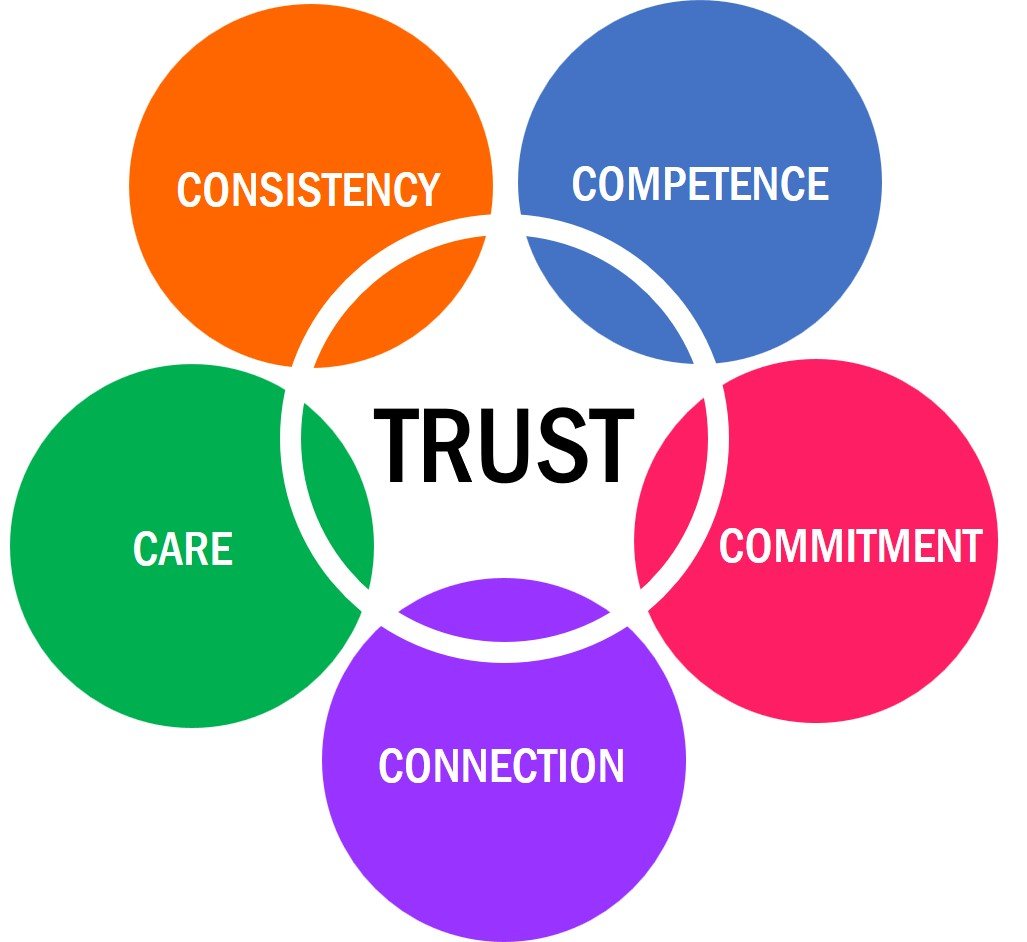
  3. Employees typically have three questions on their minds when meeting with their leader: 1) do you care about me? 2) can you help me? and 3) can I trust you? How might your employees evaluate you on these three aspects?

  4. What other styles might you experiment with to grow as a leader and help your team achieve success, and what styles might you dial down as you experiment?

  5. How will you track, reflect on, and measure your progress on these experiments?


If you’re curious to explore more about your leadership style, contact me for a free coaching consultation. I’d love to help you grow your leadership skills.

www.leslierohonczy.com | 613-863-8347 | leslierohonczy@live.com

WHAT’S YOUR IMPOSTER RESPONSE?

by Leslie Rohonczy, Executive Coach, IMC, PCC | ©2024 | www.leslierohonczy.com

Are you wrestling with imposter ‘syndrome’? Many of us grapple with self-inflicted shame, feeling like frauds and fearing that someone will eventually stumble upon our terrible secret: “I don’t know what I’m doing; I don’t deserve to be here; and it’s just a matter of time before I get found out!”  We explain away our accomplishments as the result of serendipitous luck, or clever trickery, and believe that eventually we will be exposed when someone realizes that we don’t have a hot clue what we’re doing. It often hits people that outwardly look like they have it all going on: high achieving, academically accomplished bright lights who secretly doubt their own abilities despite obvious evidence to the contrary, and who instead believe they are inadequate, incompetent, flawed, failures. Roughly 85% of working adults admit to feeling inadequate or incompetent at work, and almost 70% don't feel they deserve their current success. Of these, one in four said they experience these feelings often, or all the time.

 When clients arrive with a self-diagnosis of imposter ‘syndrome’, I prefer to reframe it as an imposter ‘response’ to what they’re experiencing (it should never have been pathologized as a clinical diagnosis in the first place). Imposter response can manifest differently depending on a person’s background, personality, life experience and circumstances, but the common denominator is the fear of being ‘found out’. The imposter response is related to our inner critics: while our inner critic is focused on self-judgment, our imposter response is preoccupied with what to do about it to avoid shame. And in working with hundreds of individuals over the years, I’m convinced that culturally, we are experiencing epidemic proportions of imposter response at this time in our modern world.

 Here are five imposter response types, based loosely on the work of Dr. Valerie Young. Notice the sense of striving that is the common thread in each of them and how they all ultimately create shame (although what they strive for is different).

THE SILVER MEDALIST

I’ve called this the silver medalist, rather than gold, because winning a silver medal feels like profound inadequacy. The silver medalist has lost their event to the gold medalist – it feels worse than the bronze medalist, who had to win their competition to reach the podium. The feeling of failure attached to this imposter response is palpable. Silver Medalists strive for perfection and focus on ‘how’ they’re getting things done. They will set excessively ambitious goals for themselves, and then experience unbearable self-doubt and anxiety; often they will compensate by over-controlling, becoming impatient, and feeling that no one else is capable. Work must be done perfectly every time, and they take no joy in their success, feeling like they could always have done a better job. These are the micromanagers who won’t delegate, and if they do, they will be unsatisfied with the result from others. One tiny mistake in an otherwise excellent performance feels like failure, which triggers shame.

THE SUPERHERO

If we are convinced that we’re a phony going undetected among authentic colleagues, we protect our dirty little secret by striving to work harder than everyone else around us. This ‘superhero’ type usually has consequences on physical and mental health and can impact relationships. Superheroes are typically workaholics who rarely find time for self-care, hobbies, or relaxation. They don’t feel worthy of their titles so must prove their worth through acts of continuous striving, rather than from the output of the work itself. Their focus is on measuring their worth by how many things they can juggle and do well. When they miss the unrealistically high mark, they feel shame for not being capable of perfectly handling everything.

THE VIRTUOSO

The belief that they need to be a natural born genius causes this type to harshly judge how quickly and easily they perform, without considering how much effort or expertise is truly needed to excel in an area. If Virtuosos take ‘too long’ to pick up a new skill, they feel ashamed. They combine unreasonable expectations with harsh self-judgement about the need to perform perfectly right away. The Virtuoso is an action-oriented perfectionist that focuses on how quickly and easily something gets accomplished. If they struggle to ramp up or learn a new skill and can’t create a masterpiece right away, they equate that to failure, which triggers shame.

THE SOLOIST

Some people want to be perceived as independent and hold the belief that asking others for help exposes them as frauds. Soloists carry a very heavy load because they believe that they must prove their worth, that it’s all up to them, that no one else is going to come and rescue them, so they must do for themselves. They often refuse help, and if they end up requiring assistance from someone else, they feel diminished as a result. To feel accomplished, the Soloist must do it alone; to need help is to be a failure, which evokes shame.

THE GURU

Gurus measure their competence by what they know, and how well they can do something. They believe they can never know enough information, and are afraid of being perceived as inexperienced, ill-informed, unaware, or downright wrong. Their constant thirst for more training, certification or knowledge prevents them from really experiencing the weight of their expertise fully. Their focus is on what they can do, and how much they know. When Gurus can’t meet the unattainable expectation to know absolutely everything, they feel like failures, which triggers shame.

HOW TO QUIET YOUR IMPOSTER RESPONSE

If you’ve experienced imposter response, you probably chalked your success up to external influences, chance, charisma, connections, dumb luck, or your finely-honed ability to skate your way through life. But the imposter’s true dragon slayer lies within us, not outside of ourselves. Here are a few ideas you can experiment with.

  • Accept that you in fact are an imposter at various times in your life – and that’s normal. We all are, in some way. But if we let our imposter drive this bus, it will rob us of the chance to really feel our accomplishment.

  • At the root of the imposter response is an inability to internalize success (‘thanks, but I just got lucky’; ‘thanks, but it’s not perfect’; ‘thanks, but I got it at a thrift shop’). It’s often lauded as humility (however false it may be). Owning our victories takes authenticity and personal integrity.

  • Some people feel the need to seek validation from others, even clinging to backhanded compliments or slightly positive feedback. Allow yourself to feel great when someone pays you a compliment, but don’t rely on external validation as the measure of your self-worth.

  • Sometimes we can fall into the trap of setting the bar low, or even failing intentionally. Experiment with embracing the challenge – all in. If you succeed, you will have internalized it as a personal win. And if you don’t, it’s an opportunity to acknowledge your bravery in daring to try.

  • Some who struggle with their impostors become paralyzed in thought about what they want to do, waiting until they feel more ‘ready’. What might you have to loosen your grip on, to allow yourself to experiment?

The more we can get into motion and take specific actions that move us towards our goals, the less of a hold our imposter will have on us. In fact, authenticity is the Imposter’s kryptonite. When we decide that we will live our authentic truth every day, we align our thoughts and behaviors with our values, creating a sense of true freedom to be exactly who we are meant to be.


If you’re curious to explore how your imposter response may be getting in your way, contact me for a free coaching consultation. I’d love to help you tame your imposter response and build greater confidence, self-awareness, and strategies for success.

 LESLIE ROHONCZY | Executive Coach (PCC), Integral Master Coach™ (IMC)

613-863-8347 | LESLIEROHONCZY@LIVE.COM | WWW.LESLIEROHONCZY.COM

PERSONAL MOTIVATION FOR LEADERSHIP

by Leslie Rohonczy, Executive Coach, IMC, PCC | ©2024 | www.leslierohonczy.com

PRACTICE OBJECTIVE

To explore your personal motivation for seeking a leadership position;

To acknowledge and grow awareness of the strengths and limitations these motivations may represent in this next career move.


OVERVIEW

Why do you want this leadership role? You may be considering a career move from individual contribution into a leadership role. Or you may already be a leader who wants to advance to the next level of leadership in your career. You have the ambition and drive but may not be aware of what’s driving this striving. It may be helpful to understand your motivations at a deeper level.


When asked why they want to become a leader (or VP, executive, or board member), most people give one of two standard answers: “I want to make a difference’ or, ‘I want to help people grow and succeed’. Both of these are honorable and admirable intentions, of course. And they’re also table stakes: the ‘must-have’ essentials of leadership. But what about YOU? What is it that you want for yourself from this new leadership role? It’s equally important to know your own personal motivations before you take on a leadership role.


INSTRUCTIONS

This coaching practice will help you understand the underlying motivations, and what might help you be successful at that new level. Grab your journal and complete the following statements – but

here’s the catch: you must answer them from your OWN perspective, NOT on behalf of someone else.

“When I’m a leader…  I’ll feel…

  I’ll be…

  I’ll get…

  I’ll know…

  I’ll believe…

  I’ll do…

  I’ll see myself…


REFLECTION QUESTIONS

  1. What theme(s) do you notice about your statements?

  2. How might each theme show up in you as you strive for this leadership role (how they might support you, or how they may get in your way)?

  3. What will you adjust in order to be successful in this new role (eg: grow EQ awareness, build specific skills, dial up or down certain behaviours, challenge limiting beliefs)?

THE SUCCESSION DILEMMA

Succession Planning: Leadership, Mindset, Culture, Strategy

by Leslie Rohonczy, Executive Coach, IMC, PCC | ©2023 | www.leslierohonczy.com

Many organizations are struggling with succession planning currently – even those with robust leadership development and succession planning activities are experiencing an exodus of their people. What I’ve noticed is that the organization’s culture can make a big difference in retention and succession: things like fostering psychological safety and openness to experimentation, integrated career development that combines experiential learning programs and direct recognition and constructive feedback from leaders.

As noted in the Conference Board of Canada research released earlier this year, talent retention is one of the top challenges for CEOs. But with well-cultivated succession planning strategies typically requiring 12 to 36 months of preparation and development, that can seem daunting when your organization is facing a leadership pipeline crisis.

In fact, I’ve heard comments from senior leaders like, “We know we need to focus on succession planning, but we’re fire-fighting constantly.” “We’re so short-staffed, there’s no time or resources for this level of strategic planning.” “We just don’t know where to start.”

If that feels familiar, you’re not alone. So what do we do about it? Here are four areas of focus for you to consider, along with some deep reflection questions in this article, to help you think about how to apply these best practices to your own specific organizations.


1.  TAKE A STRATEGIC VIEW OF SUCCESSION PLANNING

  • Build your succession plans for the organization you’re GOING to be in 5 years. What leadership attributes will THOSE future leaders need to have to be successful in that new version of your organization? Then make sure those attributes are reflected in your business strategy, operational plans, and leadership development systems. And if you bring someone in from outside your organization, make sure they have the scarce skills that will be needed in 5 years, AND that they’re willing to coach and mentor their peers and direct reports.

  • Move succession planning from a reactive activity to a proactive strategic enabler, so you don’t scramble every time an executive or expert threatens departure. High performing organizations make succession planning part of their culture: everyone is aware it exists, and for what purpose. And be as transparent as possible with your succession plans, to create “succession-awareness”. Sometimes departments end up competing for the same person because they haven’t talked about which position would be most beneficial for the organization AND the individual, which can cause rework, frustration, and engagement challenges.

  • Link succession planning to career development: This one is typically under-leveraged: more and more, employees expect organizations to provide career development as part of their employment experience. The companies I’ve seen that are doing this really well link succession planning activities to career development, as an investment in growing their employees’ careers.  This is especially true with the younger generation of leaders, who will leave for other opportunities if they feel their leader or organization isn’t investing in their development.

  • Create partnerships with similar organizations to exchange resources for cross-pollination and learning assignments, which can help engagement and retention. Some of these individuals who come from different sectors can be a great source of new leaders into your succession pipeline.


2.  RETIREMENT AND VOLUNTARY TURNOVER

  • Leverage the deep experience of retirees, semi-retired, or imminent retirees with a very specific purpose: to develop and mentor employees with high leadership potential and to identify gaps in your current succession planning strategy.

  • In return, provide flexibility and support to them: part-time work, self-employment, “bridge jobs,” fully remote work; improved ergonomics, increased flexibility, and vacation time. Increase your support and coverage for psychological services such as paid mental health and wellness days, personal days, or physical wellness activities.

  • Review your compensation strategy and recognition programs to make sure you’re offering competitive salaries, benefits, and bonuses. Review your recognition program (or implement one if you don’t have one) to retain high quality talent.

  • Provide role-specific training and development opportunities and listen to your younger leaders – they are looking for specific things in their training and development. Prepare people to take over jobs that they’re not yet obvious successors for. Intentionally start growing people several layers down in your organizations, so that they are ready and prepared to take over future roles. Consider implementing an Emerging Leaders program.

  • Create intentional cross-pollination assignments within your organization that allow high-potential individuals to diversify their awareness and experience, embedding internal mobility into the culture. This helps them feel that the organization is investing in them, and it typically boosts employee experience scores as well, and helps with overall organizational resilience.

  • Review the outgoing person’s portfolio of work and methods to determine what work that can stop, and which knowledge and tasks should be transferred to their successor. Include the accountability for key relationship transfer: determine the relationships that are key to high performance in this role and expect departing leaders to hand off these key relationships as part of their succession plan.


3. HOLISTIC SUCCESSION PLANNING & LEADERSHIP DEVELOPMENT

  • Practice transparency about the intentions behind succession planning and how it works, to normalize the idea of succession planning as a career enabler. It’ll also mitigate employee anxieties around job security and changing roles.

  • Expand succession planning to all leadership levels, not just executive- and senior management-level roles. Some of the best leaders I’ve seen were junior managers that were given the opportunity to grow their leadership chops through succession opportunities.

  • And while you’re at it, train all leaders on the best practices for succession planning – it will have 2 important benefits: 1) they can improve their methods for replacing team members, which builds team agility and resilience, and helps them handle fluctuations in staffing, and 2) it grows leaders with a ‘succession-planning mindset’ as they climb their own leadership ladders. When they end up in a top job, they will have embodied succession planning as part of the leadership culture, because they’ve seen firsthand how it is a key success enabler.

  • Speaking of leadership development, require every leader to have an individual development plan (IDP) which includes career aspirations, gaps, strengths as identified by assessment tools, training required, experiential learning assignments, coaching, and mentoring. This will help decision-makers and sponsors know where interests lie. Leaders should have regular one-on-one discussions with their own leaders using the IDP document as a framework for the discussion.

  • Expect leaders to identify and actively develop their future successors. Of course, you’ll need to make sure that the selection process is unbiased, and that you have a formal competency framework that defines the skills, experience, and expertise required for promotion.

  • Measure KBIs: You’re probably quite familiar with KPIs – key performance indicators that track financial and operational progress. But try experimenting with KBIs: key behavioural indicators will tell you about the health of your organization’s leadership cadre, and how your strategy is being understood, implemented, and executed. Consider doing ‘stay interviews’ (for example, www.StayTalent.com), to identify the leadership behaviours of your top performers, and then use those attributes for recruitment and succession selection.


4. COMMON SUCCESSION PLANNING PITFALLS

What I’ve shared above are some of the succession best practices, but let’s look at what often holds companies back from doing succession planning well. Here are a few of the pitfalls I’ve seen:

  • Not planning for the future version of your organization: Your organization is not static; nor are your customers, suppliers, or your industry. Plan for the organization you will be (or want to be) in five years and build your leadership role profiles and recruiting strategy accordingly.

  • Lack of implementation & administrative resources: An effective succession program can be costly. Lack of resources is the most common pitfall I’ve seen and can cause or certainly exacerbate the gaps in your leadership succession pipeline.

  • Misplaced ownership of succession planning: this is not a task to be delegated to HR. Succession plans must be owned and managed by the organization’s leadership team. Ideally, the process can be facilitated by HR or an external consultant, to ensure assessments are equitable and relative, using proven evaluation criteria.

  • Focusing on senior leadership only instead of investing in growing individuals with potential earlier in their careers is a short-sighted pitfall.

  • Hunting Unicorns: Avoid ‘idealizing’ the role, especially by expecting the incoming person to have what the outgoing leader had. This may disqualify great potential candidates.

  • Sponsorship & Advocacy: When deciding who to promote to leadership, some decision-makers may not be as familiar with individuals’ potential. Direct leaders often feel they must advocate for their employee’s promotion to leadership. Sometimes egos are involved, and the leader with the best pitch (not necessarily the best candidate) gets their person promoted.

  • Not leveraging retirees: untapped gold, as previously mentioned.


REFLECTION QUESTIONS

Now that you’ve read some of the best practices and pitfalls, it’s time to reflect on your own organization. Take the necessary time to reflect on each of these fifteen questions. Use them to spark discussions at your management meetings. Get input from your leadership cadres and employees. Use them to make some strategic decisions about how you will implement a succession mindset into your corporate culture.

  1. What leadership behaviours and attributes are most valued in your organization currently? Which of these attributes will likely still be relevant to your organization in five years, and which are currently outdated, weak, or missing altogether?

  2. How could your organization explicitly link career development opportunities with succession planning? How might you message that to your leaders and employees?

  3. What training, development opportunities & feedback do high performers at your organization get?

  4. How will you decide whether to hire externally, or develop and grow your succession pipeline from within? And what will you equip your organization with, to grow the next generation of leaders?

  5. What communication messaging will help you create a culture of succession transparency and awareness in your organization? What might get in your way?

  6. As a leader exits, what methods, criteria, and discussions will help you determine what practices, leadership functions, or tasks can be reduced or eliminated?

  7. Consider the robustness of your leadership development system: what aspects are strong (or are over-strengths)? What aspects need strengthening? What aspects need to be implemented?

  8. How do you currently grow and develop emerging leaders through formal training, experiential learning, coaching & mentoring, and on-the-job stretch assignments?

  9. What’s your organization’s current leadership development balance, and what would help move you closer to the ideal 70-20-10? (70% on-the-job knowledge experiences, 20% interactions with others (coaching & mentoring), 10%: formal learning events.)

  10. What problems keep the senior leadership team up at night, and who might have a unique perspective on what to do about it, as part of a stretch growth assignment to incubate new leaders?

  11. How does your organization view experimentation? Would unintended results from flexing new muscles or trying out a new behaviour be considered failure? If so, how might the senior leaders of your organization model it for the rest of the leadership cadre?

  12. How are you normalizing succession planning in your organization, and what indicators are you watching that will tell you it is becoming part of your leadership culture?

  13. What are the top 3 reasons that people leave your organization? What are your mitigants?

  14. What action can you take within your sphere of influence to reduce this voluntary turnover?

  15. What systems need to be updated to meet your organization’s projected reality in 5 years? (eg: compensation strategy, flex hours, training and development opportunities, workplace mental health support, recognition programs)?

FIXED VERSUS GROWTH MINDSET

by Leslie Rohonczy, Executive Coach, IMC, PCC | ©2024 | www.leslierohonczy.com 

According to neuroscientific research into leadership over several years, when humans face engagement challenges, or experience difficulty with change, we typically see it as either a threat (distress) or a challenge (eustress). When our brains perceive a threat or the possibility that our needs will not be met, it can create a ‘fixed’ mindset: our pre-frontal cortex goes ‘off-line’ while the more primitive brain circuits take over. This is the conditioned emotional response of the amygdala (our reptilian brain), and the typical emotionally driven actions that result. The amygdala activates brainstem stress systems, which in turn activate the sympathetic nervous system.

         It’s been documented by neuroscientists that being socially excluded can temporarily drop our IQ by almost fifteen points, because our brains use so much processing power for the ‘fight, flight, freeze, submit’ response. Our pre-frontal cortex diverts energy from its rational executive function under social stress. And when we feel threatened, our limbic system processes potential danger with momentary heightened alertness, but this decreases our ability for wider perception, understanding, creativity and collaboration. We can experience tunnel vision, it becomes difficult to see issues and solve problems, we can’t think as clearly, our ability to solve problems decreases, and we aren’t as good at working with others.

         In a fixed mindset, we may doubt our abilities, worry about others’ perceptions of us, and shy away from taking a chance. Our inner critic is driving the bus, especially when we feel we may lose status, independence, connection to others, or could be treated unfairly. We focus on the problem, become mired in details, feel anxious and defensive, and can lash out or run away while trying to maintain the status quo by focusing on what there is to lose. There is a sense of moving ‘away from’ the issues with a fixed mindset. Moving away from threat is a stronger, faster, longer lasting, and more common driver than a reward response, which requires our awareness and intention.

         With a growth mindset, there is a feeling of moving ‘toward’ the reward that can be obtained through growing perception, insights, and collaboration with others. When we build and embrace a growth mindset, we believe something is just a challenge to overcome. We trust that we can get better and improve and see it as a great opportunity to develop new skills and awareness. We see that we’ve moved forward from where we were before. A growth mindset sees a challenge, focuses on the solutions and end goal, and finds ways to make thing better. We feel open and determined, and we can experience our negative emotions as a propeller to move us into greater engagement and growth.

         You’ll be able to tell which mindset you’re in by asking yourself the following question: “Do I want to ‘be good’ and ‘prove’ my worth and that I’m better than others?” (a fixed mindset) or “do I want to ‘get better’ and ‘IM-prove’ my own performance and skills?” (a growth mindset).

Fixed VS Growth Mindset

COACHING CHALLENGE

Here’s a simple two by two model that can help you identify where you’re at, and the stance necessary to grow. The first axis is whether something is known to you or unfamiliar, and the second axis is about the instinct to move towards or away from it.

         The upper left ‘Explore’ quadrant represents a growth mindset and requires a stance of courageous curiosity. There is something unknown to us here, but we find it intriguing or inviting in some way, so we move toward it with curiosity. This is where we find innovative ideas and untapped resources.

         The upper right quadrant also represents a growth mindset, and this stance allows us to ‘Exploit’ opportunities and known resources. It leverages what’s known on behalf of moving forward with agency and action. This quadrant is often the most comfortable because we are familiar with the circumstance and willing to move forward. The downside is that we may avoid the unknown in exchange for what feels comfortable.

         Our lower right ‘Avoid’ quadrant is born from a protective stance that is focused on circumventing known pitfalls. It can make us feel safer but runs the risk of keeping us from living into our fullest potential. And it does nothing to prepare us for or protect us from the unknowns that can arise.

         And finally, the lower left ‘Ignore’ quadrant represents a fixed mindset. It’s a fear-based stance about what is unfamiliar or unknown. In this quadrant, our instinct may be to keep ourselves at a safe distance, securely tucked inside our bubble of ignorance. We may even consider moving to the ‘Avoid’ quadrant, but what might better serve us is to leverage the ‘Explore’ quadrant, to get curious about what is unknown.

Each of these quadrants is useful in its own right, depending on our circumstances, and it’s helpful to be able to recognize which stance we’re in, so that we can make conscious choices that broaden our perspective.

Excerpt from COACHING LIFE: Navigating Life’s Most Common Coaching Topics, by Leslie Rohonczy. Available in paperback or audiobook: Amazon.ca, Audible, iTunes

WHAT'S YOUR PLAN??

BUILDING YOUR CAREER PATH

by Leslie Rohonczy, Executive Coach, IMC, PCC | ©2023 | www.leslierohonczy.com

Taking ownership of our career means setting a clear vision, unpacking our true motivation for that vision, developing a plan that we can work daily, periodically looking at progress against our goals and adjusting, staying resilient and committed, and seeking support and advice from trusted mentors who are further along the path that we want to travel. 

There’s a famous quote from Albert Einstein that says, “Strive not to be a success, but rather to be of value.” I like this quote because it speaks to the mindset shift that is required away from the self-orientation of “What can I get for myself” (more money, better perks, fancy title, etc.) to thinking about the value that we can bring to the organization that will pay our salary. Our motivation in seeking career development is the key that either can unlock our success or keep us locked in our current holding patterns.

If you’re looking to find more motivation or inspiration for your career development, think about why you wanted your current job in the first place. What attracted you most to it? What are you losing out on if you stay in this role? You might also experiment with setting some new goals and looking at what potential benefits they may bring you. As you ideate, try to stay positive, without allowing any “yabut” thinking in to stink up your vision (“yeah, but…I’m not good at public speaking”, “yeah, but…it’ll take too long to figure out”, “yeah, but…I tried something similar ten years ago and failed.”)

As James Clear said in his best-selling book Atomic Habits, “you do not rise to the level of your goals; you fall to the level of your systems.” In the career context, our goal is the desired outcome, and the system is the collection of actions and daily habits we use to make it happen. Here are a few ideas to get you started.

  • DREAM IT: picture yourself in this ideal future state: how will you behave, talk, dress, sit? What kinds of things will you be doing every day? What people or systems will you interact with? What personal values will guide you through your day?

  • LOOK BACK: what kind of work did you find most satisfying and why? What past experiences or training do you consider to be strengths? What kind of work made you unhappy in the past? Who has been helpful to you and how?

  • LOOK NOW: what value, impact, experience, or skills do you offer? What gives you the most satisfaction in your current role? What would you like more of, or less of, in your role?

  • LOOK AHEAD: What do you hope to learn? What is in your way of attaining this future state? How will you navigate the barriers in your way? What is already in place to help you?

  • NAME YOUR GOAL: say it out loud. Write it down. Get used to letting it roll off your tongue. Tell others.

  • SCALE YOUR GOAL: big dreams are great, but don’t forget to set realistic sub-goals to help you get there.

  • LEVERAGE YOUR NETWORK: ask a friend, your leader, or another colleague to introduce you to people who can help you move closer to your career goal. Find a mentor. Hire a coach.

  • EXPLORE MULTIPLE CHANNELS: there are many ways to connect with others. Book a career discussion with your Human Resources advisor. Send your resume and cover letter to a recruiter in a target organization. Be brave and leverage unplanned opportunities, like bumping into someone at the coffee shop, or asking a peer for feedback after your presentation.

  • MAKE IT A HABIT: how will you hold yourself accountable for taking small steps every day toward your ideal career? How will you reward yourself for this consistent effort? How could you be even bolder?

  • TRACK YOUR PROGRESS: what criteria or measurable milestones will you use to know you’re moving in the right direction? What adjustments do you need to make? What will you most need to hear when the going gets tough?


Leslie Rohonczy is a certified Integral Master Coach™ who brings more than 30 years of business & leadership experience to her coaching practice. Leslie is also a talented composer, recording artist, and vocal & performance coach. Leslie’s coaching informs her music, and her coaching-inspired music helps to enrich her coaching program design. Leslie has released seven original albums containing coaching-inspired music and lyrics, that are featured in Leslie’s book, Coaching Life: Navigating Life’s Most Common Coaching Topics, available on https://www.amazon.ca/dp/B0BXN7F5TZ

FIVE 'C'S OF TRUST

by Leslie Rohonczy, Executive Coach, IMC, PCC | ©2023 | www.leslierohonczy.com

Vulnerability-based trust is the most powerful kind of trust we can cultivate; it means that we feel safe enough to reveal our vulnerability to someone else and know that they won’t use it against us.  Each of us pays attention to distinct aspects of trust, depending on our own unique wiring. As you read the following ‘Five C’ descriptions, see if you can sense your own primary trust attribute, and which one might be your lowest.

FIVE ‘C’S OF TRUST

Excerpt from ‘COACHING LIFE: Navigating Life’s Most Common Coaching Topics’, by Leslie Rohonczy

Amazon, 2023

CONSISTENCY: This aspect is all about reliability: doing what we say we will, and being intentional about our yeses and our nos. This consistency is observed in our actions, in how we hold ourselves accountable for our commitments and follow through by doing what we say we’ll do, when we say we’ll do it. When people learn that they can’t depend on us to keep our promises – no matter what great excuses we may have – it’s a trust-killer. We tend to judge others’ reliability in terms of time and quality. Slow to return emails? Cancel plans often? Break promises? Show up late to events? What message does our behavior send? We should never make promises we can’t keep, even if we’re just trying to calm a tricky situation.  We’ll build stronger trust with others if they know that we consistently follow through and do what we say we will.

COMPETENCE:  Others will be more concerned with our abilities, standards, and skills: when we know what we’re talking about, people believe that we are a credible source of information and insight. Our competence and credibility are a combination of how we present facts and theory, our skills and knowledge, and our ‘presence’ (the way we look, act, talk, and communicate). Humility is also a key aspect: when we pretend to know something that we actually don’t, and others see through our smoke and mirrors (as they often do), we become untrustworthy to them.

COMMITMENT: Some people will be more focused on the passion in our eyes as we deliver our message, so that they can connect to the deeper purpose that inspires us. Making our commitments visible helps us inspire the trust of others. It’s reassuring to see someone fully committed, because it lets us know that we can depend on them, especially when facing challenges. When our commitment is solid, we can engage in productive conflict that moves everyone forward. Some believe that trust creates harmony, when in fact, trust allows us to have productive conflict that won’t damage our relationship, and often strengthens our connections as a result.

CONNECTION: Speaking of connection, when we focus on creating close, open, and accepting connections, others feel comfortable talking to us about difficult things. People who are good at this aspect of trust walk their talk and are willing to get emotionally close to others. Building this connection requires us to be transparent about our thoughts and emotions. When we’re accepting and non-judgmental, people open up to us more easily because they trust that we won’t judge or criticize them. They feel seen and heard and can be themselves when they most need to.

CARE: Finally, to build vulnerability-based trust, we show that we’re concerned with the welfare of the other person, rather than pushing our own agenda solely for our benefit. Others may perceive us as self-interested if we care more about appearances, about getting our own way, about being liked or creating a favorable impression. Caring people are typically good listeners and genuinely want to understand others’ experiences and emotions. They have a desire to help and consistently show they care through their words and actions.

We each have a preferred aspect that we habitually start with, and so it’s important to understand that what engenders trust for one person might not resonate with another. For example, I look through the lens of consistency first: if you show up on time, keep your promises, and do what you say you’ll do, I trust you. It’s really that simple. But not everyone prioritizes consistency the same way. For example, consistency is the lowest one for my husband (a.k.a. ‘The Big Handsome’), who favors the Care aspect. He monitors for high self-orientation behaviors like someone putting their own needs or interests above the greater good and sees these as signals that they may not be trustworthy. If we can’t connect with someone enough to build trust, it may just be that they’re looking through a different lens than we are.

PRACTICE: PERSONAL TRUST MEASURES

Think about the last time you required someone to trust you. Perhaps it was related to the family budget, a new project at work, or a travel adventure. Find an example that you can evaluate in hindsight, and reflect of these questions:

1.       How did you demonstrate that you care?

2.       How did you attend to consistency?

3.       How did you establish your competence?

4.       How did you demonstrate your commitment?

5.       How did you build your connection?

Now, think about how the other person reacted. What trust aspect(s) do they seem to value most? What indicators do you observe that inform that opinion? How might you adjust your approach next time?

IMPACTFUL LEADERSHIP CH.E.C.K. LIST

By LESLIE ROHONCZY, Executive Coach (PCC), Integral Master Coach (IMC); Author of Coaching Life: Navigating Life’s Most Common Coaching Topics


Here’s an interesting lens through which to look at the role of a leader: the Impactful Leadership CH.E.C.K. List. These five high-performing leadership competencies can help employees become successful, and organizations achieve their strategic objectives.


CH  |  CHALLENGE WITH COMPASSION

Explore your own leadership assumptions and potential limiting beliefs: whose assumptions are they, and what’s driving them? How do you know they’re real? What evidence or proof can you find to confirm or disprove them?

What limiting belief prevents you from acting, or causes you to second-guess your decisions? Challenge processes and simplify how work gets done: are ‘old ways’ getting in the way of new growth and potential?

How might employees change the way they work to improve efficiency and effectiveness, customer experience, and their own employee engagement? How might you?

Increase the level of challenge, responsibility, and support: how might you offer employees more responsibility as a growth opportunity? What do you need to do differently during this growth opportunity, to support their learning? How can you support the decisions they make, without punishing mistakes during this learning opportunity?


E  |  EMPOWER WITH CLARITY

Be discerning about the important decisions that belong at your leadership level, and push decision-making down to appropriate lower levels where you can. If we’re positioned as the decision-maker for all things, we become the bottleneck that slows the team down, and our employees don’t learn the critical decision-making skills that will allows them to become decisive high performers.

Avoid overturning employee-made decisions wherever you can. One of the quickest ways to kill an employee’s trust and self-confidence is to first empower them to decide, and then to overturn it because it’s not how you’d have done it. Let them experiment and learn where possible (and it’s likely more possible than you may think) and hold them accountable for the outcomes in a positive, growth-minded way.

Facilitate the plan-do-check-adjust learning process (PDCA)  by asking employees to explain how they will plan their approach, then allow them room to enact that plan, and to check their own results and invite feedback from others, and finally, to adjust their approach based on their insights. Asking questions along the way helps employees synthesize their thinking as they go, and helps you track and stay connected to your team’s work.


C  |  COACH WITH COURAGE

One of the most top-of-mind topics for employees is their professional development and career progression. Spending time coaching employees on how to be successful builds trust and helps them feel supported. Investing in their growth is good business.

Have courageous conversations. Don’t shy away from providing observations and feedback about what could be holding them back. We need to provide clear feedback with purpose, to help employees succeed, and we need to be even more open to receiving their feedback! Courageous conversations are a two-way street.

Connect the dots for employees to help them understand the organization’s purpose, mission, vision, and values and how their work contributes to achieving the strategic direction and core mandate. Watch for ‘orphan’ work that the employee is doing and ask curious questions about how that work connects to the team’s objectives; stay open to the answers – they may be off-track, in which case you can redirect them; or they may be exploring a new opportunity that could bring much-needed innovation.

K  |  KNOWLEDGE SHARING

Develop your storytelling super-power. When we can share real examples from your experiences – without making yourself the ‘hero’ of the story – you can impart the learning that really resonates (humans learn best through stories, after all).

Model what it looks like to be a ‘continuous learner’, by regularly sharing new information and a-has with employees. Sharing your personal gaps and how you’re working to close them can reinforce to the people you lead that curiosity, learning, experimenting, failing, and sharing perspectives are normal and expected parts of your team culture.

Lean into humility and seek out feedback from employees on how to become a better leader-coach for their specific employee needs. When you ask, and then receive this feedback, you may notice the urge to defend or explain. Instead, explore what was unknown, or uncomfortable – that’s where the gold nuggets are for growth as leaders. Come back to employees after reflecting on their feedback, to share insights, and to thank them for creating this new awareness!


CHECK AND ADJUST

One of the fastest and most effective ways to change a behavior or build a new muscle is by observing yourself in action, reflecting on what you intended and what results you actually noticed, deciding what minor adjustments to make, then trying again. It should be a continuous cycle of noticing and improving, rather than a ‘one-and-done’ activity that checks a box.

In addition to your own ‘noticing’, it’s also a great practice to seek feedback from employees on how you’re showing up, and what adjustments they would recommend or appreciate.

Develop a system to help you track your progress: define what you’re working on in a single sentence (e.g.: growing trust with employees), and what observable indicators you’ll watch to tell you how your development is going (e.g.: employee opinion surveys; one-on-one employee meetings focused on development, not just output; reduction in conflict requiring your intervention).

BAG OF STONES Practice

By LESLIE ROHONCZY, Executive Coach (PCC), Integral Master Coach (IMC); Author of Coaching Life: Navigating Life’s Most Common Coaching Topics


PRACTICE: ‘BAG OF STONES’

When we experience overwhelm, it can feel like we’re carrying the weight of the world on our back. I wrote ‘Bag of Stones’ (see video below), as a powerful coaching practice to help us navigate our overwhelm and figure out how to lighten our load. Give this guided visualization a try, to help you identify what’s most important to you, what you no longer find useful, and what you can let go of. You’ll need a pen and your journal to answer the following questions:

Imagine you are a traveler walking along a path, and you’re wearing a large backpack. It’s uncomfortably heavy, and the longer you wear it, the more your back aches. You know it’s time to lighten your load, so you place it on the ground, open the top, and inside you discover three bags. The first one is made of the finest silk; the second is made of sturdy cotton, and the third is made of old burlap.

1.       You open the silk bag and discover that it contains riches beyond your wildest dreams: diamonds, rubies, and emeralds. These precious items represent the things that are most important in your life; things that fill you up and make you feel nourished, grounded, connected, and fulfilled. For me, these are my family, my music collaboration, and my creativity. What are your treasures? Name them, and then imagine repacking each precious item one at a time, pausing to deeply feel gratitude for each one before you place it back in the silk bag. Imagine placing the silk bag back into your backpack to bring along with you.

2.       You open the second bag and discover that it contains many smooth stones that have been polished by time. These represent the things that may have been useful in the past, but no longer serve you anymore. However, they may be valuable for somebody else who is not as far along the path as you are. For me, it was striving for career achievement. I’m done with this kind of striving, but it could be useful to someone at the beginning of their career who is trying to make their mark in the world. What stones are you ‘done’ with? Name them, and then visualize yourself leaving them at the side of the road to offer to another traveler. Visualize placing the empty cotton bag back in your backpack.

3.       You open the burlap bag, and discover it’s full of dirty, jagged rocks that represent your limiting beliefs, bad habits, unproductive behaviors, negative or painful experiences, self-judgment, and unhealthy relationships that you don’t need to carry around anymore. These rocks just create pain that distracts you from the true treasures in your life. What do your jagged rocks represent? Name each one, and then visualize throwing them over a nearby cliff, one by one. Place the empty burlap bag back in your backpack. Then strap this lighter backpack on your back and continue your journey, feeling a sense of lightness in your body and spirit.